Does Renters Insurance Cover Water Damage? Your Belongings vs. the Building
Renters insurance covers water damage to your belongings from sudden leaks, not floods or slow drips. Who pays for the unit, and when your liability kicks in.
How this guide was checked
This guide was written from the sources listed below, and Atif M., Arhox's editor, is responsible for it and corrects errors readers report. A dated line-by-line check against those sources is recorded here once the editor has completed one.
Drafting is assisted by AI tools. It has not been reviewed by an attorney or a licensed insurance professional. Read our editorial standards, or report a problem.
Sources (3)
- ISO renters form HO 00 04, filed with Maine's Bureau of Insurancemaine.gov · ho 00 04 04 91
- NAICcontent.naic.org · publication hoi pp consumer homeowners
- American Strategic Insurance renters formoid.ok.gov · Renters Protection Policy ASI HOR OK 09 21
In this guide
Often, yes, for your own belongings. Renters insurance covers personal property damaged by “accidental discharge or overflow of water or steam from within a plumbing, heating, air conditioning or automatic fire protective sprinkler system or from within a household appliance” (ISO renters form HO 00 04, filed with Maine’s Bureau of Insurance). It does not cover flood, sewer backup without an add-on, or damage from a slow leak. And it does not pay to repair the apartment itself. The building is your landlord’s to insure, unless you caused the damage, which is where your liability coverage comes in.
The short version:
- Sudden water from pipes, appliances, heating and cooling systems, or sprinklers is a covered peril for your belongings.
- Flood and sewer or drain backup are excluded unless you add coverage. Flood needs a separate policy.
- Slow, repeated leaks are excluded. One current form excludes seepage that goes on for 14 or more days.
- Floors, walls, ceilings and fixtures are the landlord’s to insure and repair.
- If your negligence floods a neighbor’s unit, your liability coverage can pay. Damage to your own rented unit is treated differently.
This is general information, not insurance or legal advice. Renters policies vary by insurer and state, and your own policy wording decides the claim.
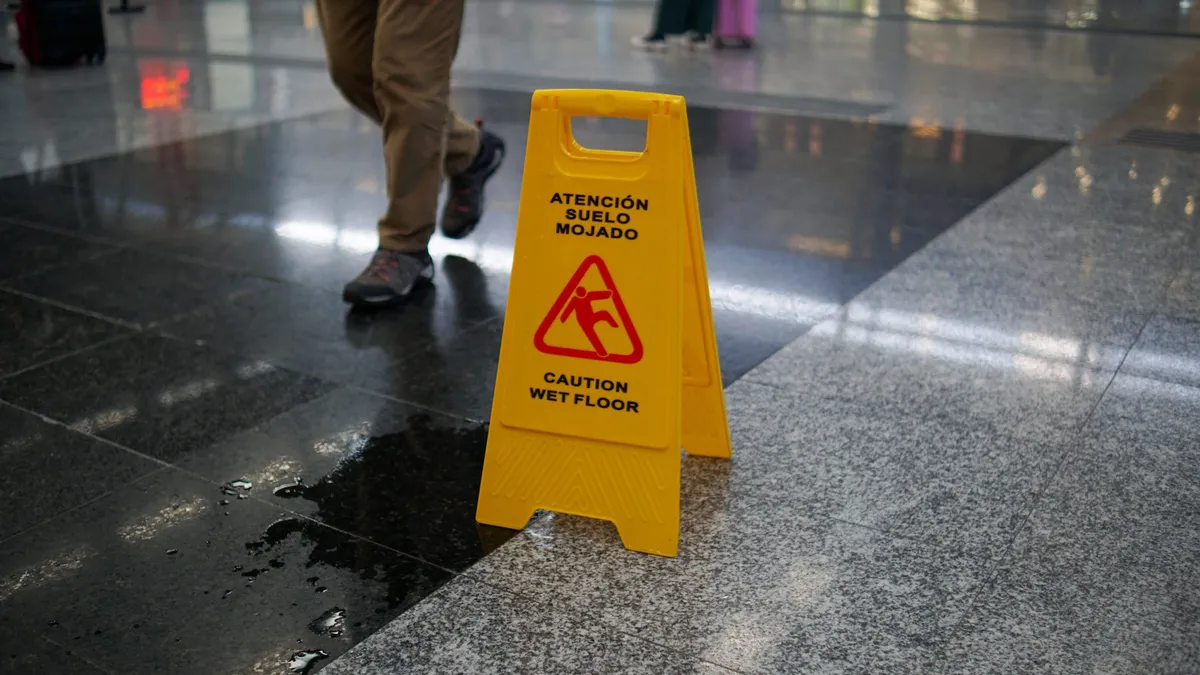
Which water damage renters insurance covers
Most renters policies are named-peril policies. They list the causes of loss they cover, and if a cause is not on the list, it is not covered. Water appears in a few of those named perils (ISO HO 00 04):
- Accidental discharge or overflow. A burst supply line, a washing machine hose that splits, a dishwasher that overflows, a water heater that leaks suddenly, or a sprinkler head that goes off.
- Sudden tearing apart, cracking or bulging of a heating system, air conditioner, sprinkler system or water heater.
- Freezing of plumbing or appliances. The form adds a condition: if the home is unoccupied, you must have used reasonable care to keep the heat on or to shut off and drain the water.
The water does not have to start in your apartment. The same peril applies when it comes from a pipe in the unit above or inside a shared wall. The test is what happened, not whose pipe it was.
What it excludes
The exclusions do most of the work in water claims. The ISO form excludes “flood, surface water, waves, tidal water, overflow of a body of water,” and “water which backs up through sewers or drains or which overflows from a sump” (ISO HO 00 04). The NAIC confirms that homeowners-type policies do not cover flood, and that you “might be able to buy endorsements” for sewer or drain backup and sump pump overflow (NAIC). Renters in flood-prone areas can buy contents-only flood insurance through the National Flood Insurance Program or a private insurer.
Gradual leaks are the other common denial. A current renters form on file with Oklahoma’s insurance department excludes damage “caused by constant or repeated seepage or leakage of water or steam or the presence of condensation or humidity” occurring “over a period of 14 or more days,” and says that when the exclusion applies, the insurer will not pay “starting from the first day” (American Strategic Insurance renters form). So reporting a drip to your landlord promptly protects your claim as well as your stuff.
The appliance or pipe that leaked is also not covered. The policy pays for what the water ruined, not for the broken washer hose.
Your stuff, the landlord’s building
A water loss in a rental usually involves at least two policies. Your renters policy covers your belongings. The landlord’s property policy covers the building, including floors, walls, ceilings, cabinets and built-in appliances. The landlord’s policy does not cover your belongings, which is why renters insurance exists in the first place.
| What got wet | Whose insurance usually pays | Notes |
|---|---|---|
| Your couch, clothes and laptop after a pipe bursts | Your renters policy | Minus your deductible; check replacement cost vs. actual cash value |
| Drywall, carpet and ceiling in your unit | Landlord’s policy | Unless your negligence caused it; see below |
| Your belongings after a river floods the ground floor | Flood policy only | Renters policies exclude flood |
| Your belongings after a sewer backs up into the basement unit | Only with a water backup endorsement | Otherwise excluded |
| The neighbor’s unit below after your tub overflowed | Your renters liability, if you were negligent | Up to your liability limit |
| Mold from a leak nobody reported for months | Usually no one | Gradual leaks and maintenance are excluded |
Sources: ISO HO 00 04; ASI renters form; NAIC.
Is your landlord responsible for your belongings? Generally only if the landlord was negligent, for example by ignoring a reported leak for weeks. That is a claim against the landlord, not against the landlord’s insurance policy directly, and it is slower and less certain than filing on your own renters policy. Many tenants file with their own insurer first and let the insurer pursue the landlord.
When your water damages someone else
This is the part most guides skip, and it is where tenants get surprised.
Damage to a neighbor’s unit. If you leave the bath running and water pours into the apartment below, your renters policy’s personal liability coverage can pay for the neighbor’s damage, and it provides a defense “even if the suit is groundless, false or fraudulent” (ISO HO 00 04). Liability depends on fault. If a pipe simply burst with no carelessness on your part, you may not be legally liable at all.
Damage to your own rented unit. Liability coverage works differently here. The liability section excludes “property damage” to property “rented to, occupied or used by or in the care of” you. The only exception is damage “caused by fire, smoke or explosion” (ISO HO 00 04; ASI renters form). Water is not on that list. So if your overflowing tub ruins your landlord’s floors, your liability coverage generally will not pay the landlord for the floors in your own unit, even though it would pay for the neighbor’s ceiling below.
There is a small backstop. Many renters policies include an additional coverage called damage to property of others, which pays “at replacement cost” for “property damage” to property of others “caused by an ‘insured’”, up to a modest limit. The older ISO form pays up to $500 per occurrence, and the ASI form pays up to $1,000 (ISO HO 00 04; ASI renters form). Neither list of exclusions bars property rented to you, so it may help with a landlord’s bill. Ask your insurer.
If the apartment becomes unlivable
When a covered water loss makes your unit “not fit to live in,” the loss of use part of a renters policy pays “any necessary increase in living expenses” so your household can keep its normal standard of living (ISO HO 00 04). That means a hotel or short-term rental, and extra meal or commuting costs, minus what you would normally spend. It only applies if the cause was a covered peril. A flood without flood insurance will not trigger it.
What to do after water damage in a rental
- Stop the water if you can. Shut off the fixture valve or the unit’s main and turn off power to wet areas.
- Tell your landlord or property manager in writing right away. A text or email creates a record of the date.
- Photograph and video everything before you move or throw anything out, including where the water came from.
- Move belongings out of harm’s way. Policies expect you to protect property from further damage. Keep receipts for fans, storage or emergency cleaning.
- Make a list of damaged items with approximate age and price.
- Call your renters insurer. Report the loss promptly, and ask whether loss of use applies if you cannot stay.
- If you caused damage to another unit, tell your insurer. Do not admit fault or promise to pay anyone before you have spoken to the insurer.
Frequently asked questions
Does renters insurance cover water damage?
It covers your belongings when water escapes suddenly from plumbing, appliances, heating and cooling systems or sprinklers. Flood, sewer backup without an endorsement, and slow leaks are excluded.
Does renters insurance cover water damage from an upstairs neighbor?
Your policy covers your own belongings, whoever’s pipe leaked. If the neighbor was negligent, your insurer may seek repayment from the neighbor or their insurer after paying you.
Does renters insurance cover flood damage?
No. You need a separate flood policy, available through the National Flood Insurance Program or private insurers, which can cover contents only.
Does renters insurance cover water damage to the apartment itself?
No. The structure is the landlord’s responsibility. If you caused the damage, the landlord may come to you, and your liability coverage generally excludes damage to the unit you rent, apart from fire, smoke or explosion.
Is my landlord responsible for my belongings after a leak?
Only if the landlord was at fault, for example by ignoring a reported leak. The landlord’s own insurance does not cover tenants’ belongings, so your renters policy is usually the faster route.
Does renters insurance cover mold from a leak?
Mold from a covered, sudden leak may be part of the claim, depending on your policy’s mold wording, which varies widely. Mold from a slow leak or ongoing humidity is generally excluded.
Where to go from here
Check your renters policy for the water discharge peril, any water backup endorsement, and the damage to property of others limit. If you live on a ground floor or below grade, price water backup coverage and contents-only flood insurance. For related cases, see how burst frozen pipes are handled, what renters insurance does not cover, and whether renters insurance pays for temporary housing. Arhox is an independent publication, not an insurer, broker, or law firm; our editorial policy and disclaimer explain how these guides are prepared.
This is general information, not legal advice. Rules vary by state and by situation; a licensed attorney or insurance professional can speak to yours. Read the full disclaimer.