Uninsured Motorist Coverage: What It Pays and How to Claim
Uninsured motorist coverage pays when the driver who hit you has no insurance or too little. What UM and UIM cover, which states require it, and how to claim.
How this guide was checked
This guide was written from the sources listed below, and Atif M., Arhox's editor, is responsible for it and corrects errors readers report. A dated line-by-line check against those sources is recorded here once the editor has completed one.
Drafting is assisted by AI tools. It has not been reviewed by an attorney or a licensed insurance professional. Read our editorial standards, or report a problem.
Sources (3)
- Insurance Information Instituteiii.org · facts statistics uninsured motorists
- Subrogationlaw.cornell.edu · subrogation
- Insurance Information Institute: Background on no-fault auto insuranceiii.org · background on no fault auto insurance
In this guide
Uninsured motorist coverage (UM) is part of your own car insurance policy. It pays for your injuries when the driver who caused the crash has no insurance, or cannot be found, as in a hit-and-run. Its companion, underinsured motorist coverage (UIM), pays when the at-fault driver has insurance, but not enough to cover your losses.
It matters because a lot of drivers have no insurance at all. An estimated 15.4% of US motorists were uninsured in 2023, more than one in seven, according to the Insurance Research Council, as reported by the Insurance Information Institute.
The short version:
- UM pays when the at-fault driver has no insurance or flees the scene. UIM pays when their limits are too low.
- It usually covers medical bills, lost wages, and pain and suffering for you, your household, and your passengers.
- Twenty states and the District of Columbia require some form of UM or UIM coverage. Elsewhere it is optional but often offered by default.
- You claim against your own insurer, but the claim is still adversarial: the insurer steps into the shoes of the at-fault driver.
- It is usually cheap relative to what it protects. Many advisers suggest matching your own liability limits.
This is general information, not insurance or legal advice. Coverage terms differ by state and by policy, so read your own policy’s UM section.
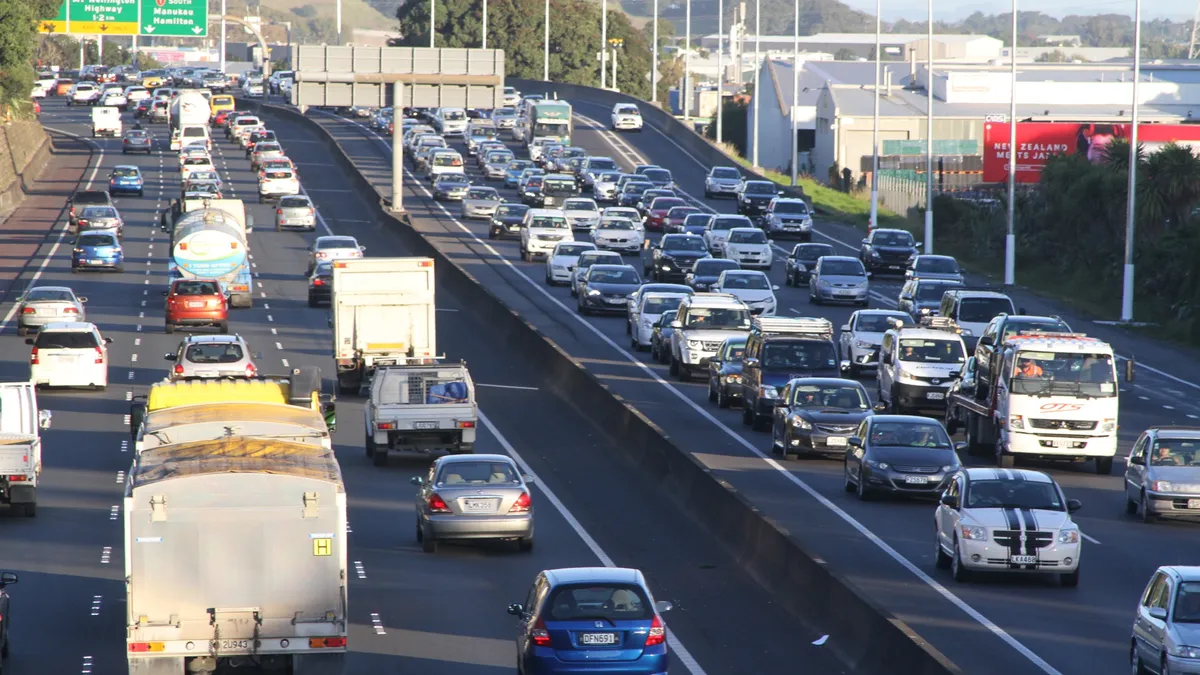
What uninsured motorist coverage pays for
UM coverage is usually split into two parts:
- Uninsured motorist bodily injury (UMBI). Pays for injuries to you, members of your household, and passengers in your car: medical bills, lost wages, and, in most states, pain and suffering. It is generally the amount you could have recovered from the at-fault driver, had they been insured.
- Uninsured motorist property damage (UMPD). Pays to repair your car after a crash caused by an uninsured driver. It is not offered in every state, and some states apply a deductible. If you carry collision coverage, UMPD may overlap with it.
UM coverage often follows you rather than the car. In many policies it applies if you are hit as a pedestrian or cyclist, or while riding in someone else’s vehicle.
Uninsured vs underinsured motorist coverage
| Uninsured (UM) | Underinsured (UIM) | |
|---|---|---|
| When it applies | At-fault driver has no insurance, or is unidentified | At-fault driver’s liability limit is too low for your losses |
| Typical example | Hit by a driver with a lapsed policy, or a hit-and-run | Serious injuries worth $150,000; at-fault driver carries $25,000 |
| What it pays | Your losses, up to your UM limit | The gap above their limit, up to your UIM limit |
How UIM is calculated depends on your state. In some states it pays the full gap up to your UIM limit. In others it is reduced by whatever the at-fault driver’s insurer paid. Ask your insurer which approach your policy uses; it can change the payout considerably.
Is uninsured motorist coverage required?
Twenty states and the District of Columbia require some form of uninsured or underinsured motorist coverage, according to the Insurance Information Institute. In most other states, insurers must offer it and you must reject it in writing if you do not want it.
Rejecting it saves a modest amount on your premium. Before you sign a rejection form, consider who would pay your medical bills if a driver with no insurance hit you. Your health insurance may cover treatment, but it will not replace lost wages or pay for pain and suffering.
Where uninsured drivers are most common
The share of uninsured drivers varies widely by state. Estimates for 2023 from the Insurance Research Council:
| Highest uninsured rates | Lowest uninsured rates | ||
|---|---|---|---|
| Mississippi | 28.2% | Maine | 5.7% |
| New Mexico | 24.1% | Utah | 6.2% |
| District of Columbia | 23.1% | Idaho | 6.4% |
| Michigan | 22.3% | Wyoming | 6.7% |
| Tennessee | 21.3% | Montana | 7.2% |
Source: Insurance Information Institute. Even in the lowest states, roughly one driver in twenty is uninsured.
How much coverage to buy
A common rule of thumb is to match your UM and UIM limits to your own bodily injury liability limits. If you would protect a stranger for $100,000 per person, it is reasonable to protect yourself for the same.
Things to consider:
- The minimum is low. State minimum bodily injury limits are often $25,000 or $30,000 per person, and lower in a few states, which a single hospital stay can exceed. That is the amount an underinsured driver may carry.
- Stacking. Some states let you “stack” UM coverage across several cars on your policy, multiplying the limit. It costs more, and not every state allows it.
- Umbrella policies. Many personal umbrella policies do not extend to UM unless you add it specifically. Ask.
How to make an uninsured motorist claim
- Call the police and get a report. For a hit-and-run, report it promptly; many policies require a police report within a short time to support an unidentified-driver claim.
- Get medical care and keep every record and bill.
- Collect evidence. Photos, witness names, dashcam footage, and the other driver’s details if you have them. Our checklist for what to do after a truck accident covers the evidence that matters in any crash.
- Notify your insurer quickly. Policies set notice deadlines, and late notice can jeopardise coverage.
- For UIM, get your insurer’s consent before settling with the at-fault driver’s insurer. Settling without it can forfeit your UIM claim in many states, because it cuts off your insurer’s right to recover from the at-fault driver.
- Expect a negotiation. Your insurer will evaluate fault and damages just as the other driver’s insurer would. Many policies send disputes to arbitration rather than court.
Once your insurer pays, it may pursue the uninsured driver to recover what it paid, a process called subrogation.
Frequently asked questions
Does uninsured motorist coverage cover hit-and-run accidents?
Usually yes, for injuries. Policies treat an unidentified driver as uninsured. Some states and policies require evidence of physical contact or an independent witness, and a prompt police report. Property damage from a hit-and-run is more often handled through collision coverage.
Will my premium go up if I make a UM claim?
Many states restrict insurers from raising premiums for not-at-fault accidents, but the rules vary. A UM claim is, by definition, a crash someone else caused.
Can I sue the uninsured driver instead?
You can, but people without insurance often have few assets to collect from. UM coverage is usually the practical route, and a car accident lawsuit may still be worth it if the driver has assets or was working for an employer at the time.
Does UM cover passengers in my car?
Generally yes. Passengers are usually covered for their injuries under the UM coverage of the car they were riding in.
What if I was partly at fault?
UM pays what the at-fault driver would have owed. If you share fault, the payout is usually reduced under your state’s comparative negligence rules.
Official resources
- Insurance Information Institute: Facts and statistics on uninsured motorists: national and state estimates, and which states require UM coverage.
- Insurance Information Institute: Background on no-fault auto insurance: how no-fault states handle injury claims.
Where to go from here
Find the declarations page of your auto policy and look for the UM and UIM lines. If they are missing, or far below your liability limits, it is a short call to your agent. For how injuries are paid in no-fault states, see our guide to personal injury protection, or browse all the injury claim guides. Arhox is an independent publication, not an insurer, broker, or law firm; our editorial policy and disclaimer explain how these guides are prepared.
This is general information, not legal advice. Rules vary by state and by situation; a licensed attorney or insurance professional can speak to yours. Read the full disclaimer.